



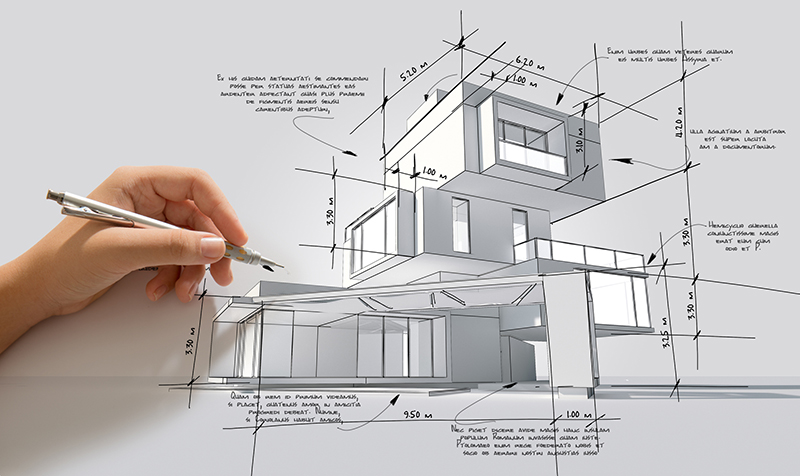
Strong pre-construction planning aligns design, scope, and cost before construction begins.
When a custom home build starts to feel off, you can usually point to a clear issue—whether it’s that the budget no longer lines up, approvals are taking longer than expected, or some details need to be reworked after plans are already set. These problems usually trace back to issues made before construction even began, and this is where pre-construction planning can make the biggest impact.
This phase sets the direction for everything that follows. It determines how much flexibility you keep, how predictable the process feels, and how often you’re forced to react instead of move forward.
Effective pre-construction planning keeps control where it matters most: at the start. Here, we break down what effective pre-construction planning really involves, where projects tend to go wrong, and how early decisions affect cost, timing, and flexibility. By outlining what to expect and where problems typically arise, it helps you spot risks early and move forward with confidence.
WHAT PRE-CONSTRUCTION INCLUDES (AND WHY IT MATTERS)
In a nutshell, pre-construction planning aligns site limits, costs, design decisions, and approvals before construction begins. Well-run pre-construction services focus on resolving these items early, while changes are still simple and affordable.
Here’s what the process usually looks like:
-
Site evaluation and feasibility: The process starts with the property. Zoning rules, flood zones, setbacks, and easements define what can be built and where. In South Florida, these factors often dictate the home’s elevation, size, and placement on the lot.
-
Budget development tied to real scope: Once site limits are known, costs can be reviewed with more accuracy. Early budgets should reflect the home’s size, structure, and major systems, keeping design decisions tied to real pricing.
-
Design coordination across the team: Architects, engineers, and builders review plans together as they develop. This helps confirm that layouts, structure, and systems work together before construction begins.
-
Permitting strategy and review timelines: Approval requirements vary by city and county. Pre-construction planning identifies required permits, typical review timelines, and needed documents before submissions begin.
-
Early material selections and schedule planning: Items like windows, doors, and exterior components often take longer to arrive and may require approvals. Identifying them early helps the schedule reflect real delivery timelines.
PROBLEMS SHOW UP WHEN PLANNING IS RUSHED
Rushing pre-construction pushes decisions into the construction phase, after the work has already started. What looks like early progress often turns into delays once work begins and uncertainties surface.
It usually starts with pricing. Early numbers may seem acceptable, but they don’t reflect final design and scope decisions. As details get locked in, costs adjust, and the budget becomes harder to manage. From there, design coordination, permitting, and site constraints can create slowdowns that disrupt the schedule and limit flexibility.
A simple rule of thumb: if you want the build to move smoothly, don’t rush pre-construction. Issues may still arise, but they’re far easier and less costly to resolve during this stage than once construction is underway.
PROTECTING YOUR TIMELINE AND BUDGET
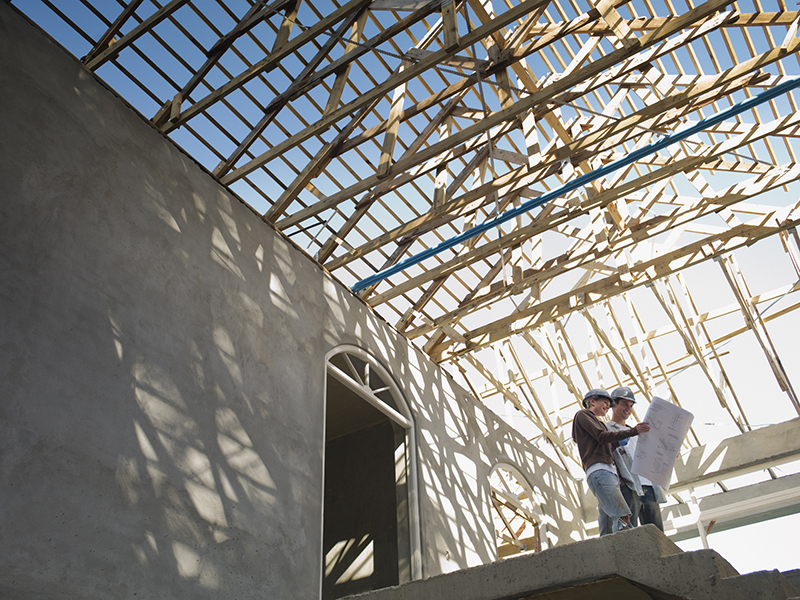
Early alignment through pre-construction planning keeps execution focused once work is underway.
Pre-construction planning protects your timeline and budget by settling important decisions before construction begins. When scope, pricing, approvals, and scheduling are clear early, fewer questions come up once work starts. That reduces the risk of change orders caused by late decisions.
With a clear schedule to stay on track, crews know when to start and what to work on. Materials show up when they’re needed, permits and inspections fit into the plan, and the build moves forward with fewer delays.
Planning also sets clear expectations. You know what’s decided, what’s fixed, and where there’s still room to adjust. That makes costs easier to follow and timelines easier to manage. Planning can’t prevent every issue, but it reduces the ones that can be avoided.
WHY SOUTH FLORIDA CUSTOM HOMES REQUIRE DEEPER PLANNING
Building codes, flood requirements, soil conditions, and local permits all shape how a home can be designed and approved in South Florida. When these factors are handled late, they often cause redesigns or delays.
Flood and elevation rules can affect how high the home sits and how it is built. Soil conditions and higher water tables can change how foundations and drainage are planned on some properties. These conditions vary by location and can impact cost and timing if they aren’t reviewed early.
Additionally, cities and counties follow different review processes and paperwork requirements. Some exterior items, such as windows and doors, may need special approvals before permits are issued.
THE PRE-CONSTRUCTION CHECKLIST TO KEEP YOUR PROJECT ON TRACK
Pre-construction planning bridges the gap between concept and commitment.
A strong pre-construction checklist helps you confirm that the right decisions are made before construction begins. These decisions affect cost, timing, and approvals, so here’s a list you can use to check whether your project is truly ready to move forward:
-
Have you confirmed the site limits?
Zoning rules, flood requirements, setbacks, easements, and survey details should already be reviewed and reflected in the plans. -
Does the budget match the design you’re moving forward with?
The numbers should align with the home’s size, layout, structure, and finish level, not rough estimates that will change later. -
Are design and engineering fully coordinated?
Layouts, structure, and building systems should be reviewed together so they work as one complete plan. -
Do you know the permit path for your location?
Required permits, review steps, and likely timelines should be clear for your specific city or county before submitting applications. -
Have long-lead materials been identified?
Items that take longer to arrive should already be flagged, along with any documents needed for approval. -
Is the construction schedule based on real timing?
The timeline should reflect actual sequencing, inspections, and deliveries, not best-case assumptions.
FAQs
How early should pre-construction planning start for a custom home?
You should start planning once you decide to build, with a rough budget in mind. Starting before final design helps you check ideas against real site limits, costs, and approval needs while changes are still easy to make.
Can you begin pre-construction planning before you purchase a lot?
Yes. This helps you review zoning rules, flood requirements, and build limits before you commit. In South Florida, where site conditions can change from one area to the next, this step can prevent surprises after purchase.
How long does the pre-construction phase usually take?
The timeline depends on project size and how quickly decisions are made. For many custom homes, planning takes about two to four months. More time may be needed if design work and permitting are part of the process.
Does pre-construction planning lock in the final construction price?
No, but it improves budget accuracy. Costs can still change based on finish selections, market pricing, and contract terms. Planning helps limit avoidable changes by settling key details early.
How much do pre-construction services typically cost?
It depends on the size and scope of the project. Fees are often a fixed amount or a small percentage of the construction cost, commonly around one to three percent. This upfront cost often helps reduce redesigns, delays, and changes later.
START YOUR BUILD WITH CERTAINTY
As part of Stamm Development Group, SDG Construction has long experience building luxury homes across South Florida. They work closely with architects, engineers, and designers from the start. This early involvement helps keep pricing realistic, plans buildable, and expectations clear once construction begins.
That approach is especially important for pre-construction homes in South Florida, as coastal rules, flood requirements, and local permitting can affect a project early on. SDG Construction addresses these factors upfront, builds budgets around real scope, and guides decisions at a steady pace so you know what’s decided, what can still change, and what happens next.
If you’re ready to start your project with a clear plan, call SDG Construction at 561.962.0075 or send them a message to schedule a consultation.