



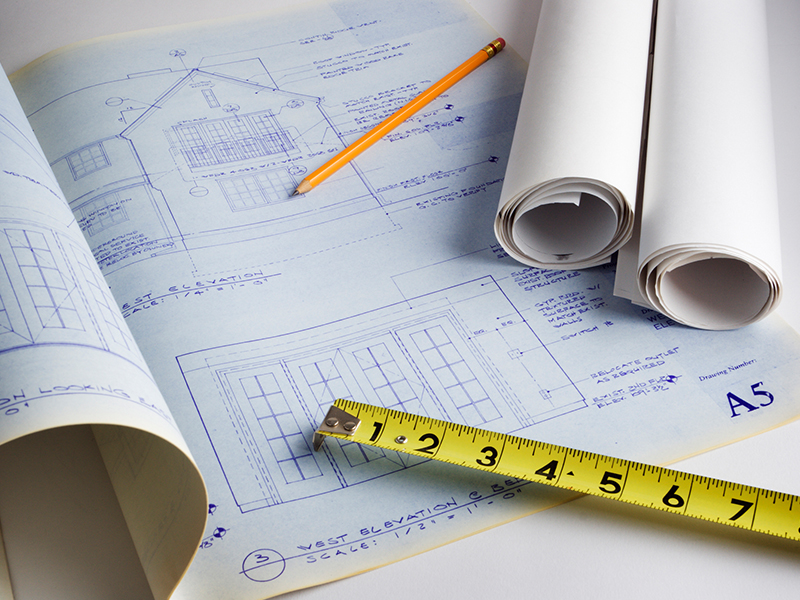
Design-build contracts bring design and construction together early, reducing gaps between plans and execution
In a traditional design–bid–build process, the architect normally designs the home first, and the builder prices it afterward. That structure can create a gap between what is drawn and what is practical to build, especially once materials, engineering, and permitting requirements are fully understood.
For South Florida luxury homes where coastal conditions, wind requirements, and local approvals often shape the build from day one, that gap can lead to avoidable redesigns, cost changes, and schedule delays.
Hiring a design-build contractor helps prevent those issues by bringing design and construction together early, so planning, pricing, and execution stay aligned before construction begins.
Why The Design-Build Approach Works Better For Custom Homes
If you’re planning a custom luxury home in South Florida, the construction model you choose will shape everything that follows. It influences how quickly decisions are made, how clearly costs are defined, and how often issues require your attention.
Working with a design-build contractor changes that experience in practical, measurable ways, starting with how the team collaborates from day one.
One Unified Team with a Single Point of Responsibility
With a design-build contract, design and construction are managed under one unified team. Architects, engineers, and builders collaborate from the start, so the plans reflect real-world construction requirements, site conditions, and budget considerations.
This structure creates a clear line of responsibility throughout the project. If a design detail changes or an on-site issue arises, the same team evaluates the impact on the plans, cost, and schedule at the same time. That reduces delays caused by handoffs and helps you get answers faster, without conflicting input from separate firms.
It can also shorten the overall timeline. Since the builder is involved during design, material lead times, scheduling requirements, and permitting needs are identified earlier, which helps avoid preventable slowdowns once construction begins.
More Accurate Budgets and Stronger Cost Control
Budget accuracy often comes down to timing. In a traditional design–bid–build process, pricing is introduced after the plans are complete, which can leave homeowners adjusting expectations late in the game.
With a design-build contract, costs are evaluated as the design takes shape. That means your budget is based on real layouts, structural requirements, finish selections, and system specifications, not estimates created in isolation.
If a design choice affects cost, you see the impact immediately, while there’s still time to make informed adjustments. This reduces the need for late-stage redesigns, keeps decisions grounded in real pricing, and helps protect the overall schedule.
Since pricing stays tightly wed to planning, many cost-related questions are resolved before construction begins. In turn, this can reduce design-driven change orders and give you a clearer view of total project investment from the start.
Fewer Mistakes and Less Rework During Construction
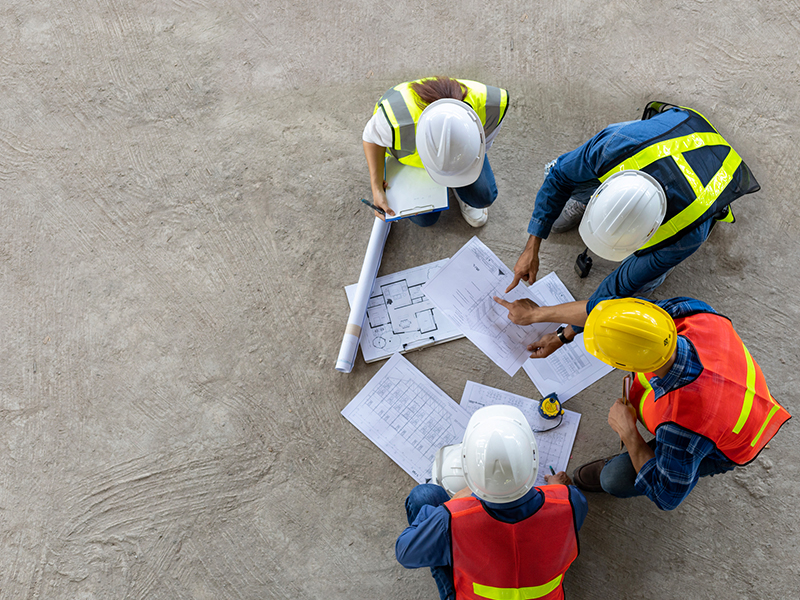
Design-build contracts keep architects, engineers, and builders aligned under one coordinated team
Many construction issues begin long before the first day on-site. When plans are developed without meaningful input from the builder, details that look workable on paper can create conflicts once construction begins. Those conflicts often lead to last-minute revisions, rework, and delays.
A design-build team reduces that risk by reviewing buildability throughout the design phase. Layouts, structural coordination, mechanical systems, and key dimensions are evaluated as the plans develop, which allows problems to be identified early, when changes are easier to manage and far less disruptive.
This is especially important for custom homes, where features are rarely standard. Large openings, custom stair systems, integrated lighting, specialty ceiling details, and tailored millwork all require precise coordination between trades.
In South Florida, the margin for error is even smaller. Windows, doors, and roofing assemblies often need to meet strict wind-load and product approval requirements, and design choices must align with local code standards from the start. When one team manages both design and construction, those requirements stay connected to the plan rather than forcing corrections later.
Clearer Communication and Lower Stress for Custom Homeowners
Design-build simplifies communication by giving you one point of contact who manages the full team, from design through construction. Instead of coordinating updates across separate architects, engineers, and contractors, you receive clear, consolidated information and decisions that are ready for review.
That structure makes the overall experience far less stressful. Key decisions happen earlier, cost impacts are discussed before they become problems, and issues are resolved within the team before they reach you. For luxury homeowners, that means fewer last-minute surprises, fewer urgent calls, and a project that stays organized, predictable, and professionally managed.
A Better Fit for South Florida Luxury Homes
Building a luxury home in South Florida means planning for coastal exposure, flood zones, and wind-load requirements from the beginning. These conditions influence everything from structural systems and material selection to permitting and approvals. A design-build contractor allows those factors to be addressed early, while the plans are still flexible.
In Miami-Dade and Broward, hurricane standards often shape window, door, and roofing selections. Flood regulations can affect finished floor elevations and permit documentation, and waterfront builds may require additional layers of review. When one integrated team manages both design and construction, those requirements stay connected to the plan instead of creating costly revisions later.
That level of coordination matters in custom homes, where structure, systems, and finishes must work together without compromise.
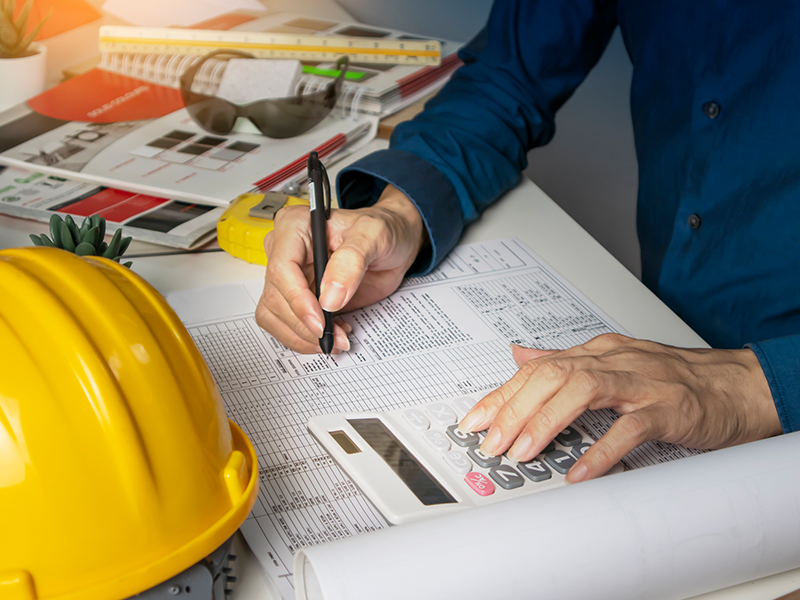
Design-build contractors allow pricing and planning to move forward together, reducing late-stage cost surprises
Design-Build Vs. General Contractor
The difference between a design-build and a general contractor does not necessarily lie in skill or quality; it’s about how the project is organized. The structure determines who holds responsibility, when decisions happen, and how much coordination you manage as the homeowner.
| Area | Design-Build Contractor | General Contractor (design-bid-build) |
| Contract Structure | One contract for design and construction | Separate contracts for design and construction |
| Builder Involvement | Involved during design | Typically involved after the design is complete |
| Responsibility | One team responsible for results | Responsibility split between parties |
| Coordination | Most coordination handled by one team | More handoffs between separate firms |
| Decision Timing | Decisions come up earlier | Decisions often come up after design is finished |
| Owner Role | Less coordination for you | More coordination handled by you |
FAQs
Is a design-build contract a good fit if you already own plans or have an architect?
Yes, in many cases. A design-build contractor can review existing plans for cost, buildability, and code issues before construction starts. Some teams work with outside architects, while others bring design under one agreement.
Can a design-build contractor help before you finalize your home design?
Yes. Early involvement lets construction input guide the design as it develops. This helps align layout, materials, and systems with real costs and build requirements.
How does a design-build contract handle cost changes during construction?
Cost changes are tied to clear scope decisions. Since pricing is reviewed as design develops, many cost drivers are addressed before construction. If a change happens later, one team reviews its impact on cost and timing.
How does a design-build contractor handle South Florida permitting and inspections?
A design-build contractor often manages permitting and inspections as part of the process. This includes plan submissions, review responses, and inspection scheduling across city and county systems.
Are design-build contracts fixed price, cost-plus, or something else?
Design-build contracts can be fixed price, cost-plus, or structured with a guaranteed maximum price. The setup depends on how complete the design is and how decisions are phased.
A Design-Build Partner Built for South Florida Custom Homes
A design-build project works best when the right team is involved early. Early input on cost, structure, and construction helps you make smart decisions before plans are finalized. This approach supports the benefits discussed in this article.
SDG Construction is built for that role. As the construction arm of Stamm Development Group, the team has experience delivering outstanding South Florida luxury homes. Their process focuses on careful planning, strong coordination, and clear communication, especially on complex residential projects.
If you’re considering a design-build contract, the next step is a conversation. To get started, contact SDG Construction at 561.962.0075 or send them a message.